Storm & Outage Concerns
Backup power and battery storage become important when outages interrupt work, heating, refrigeration, and daily life.
New Hampshire Solar Guide
In New Hampshire, the solar conversation often centers around utility exposure, rural properties, outage protection, roof readiness, and whether storage should be part of the plan.
New Hampshire Energy Reality
New Hampshire homeowners often care about rural reliability, backup power, electric rate exposure, and protecting the home from long-term energy uncertainty.
Backup power and battery storage become important when outages interrupt work, heating, refrigeration, and daily life.
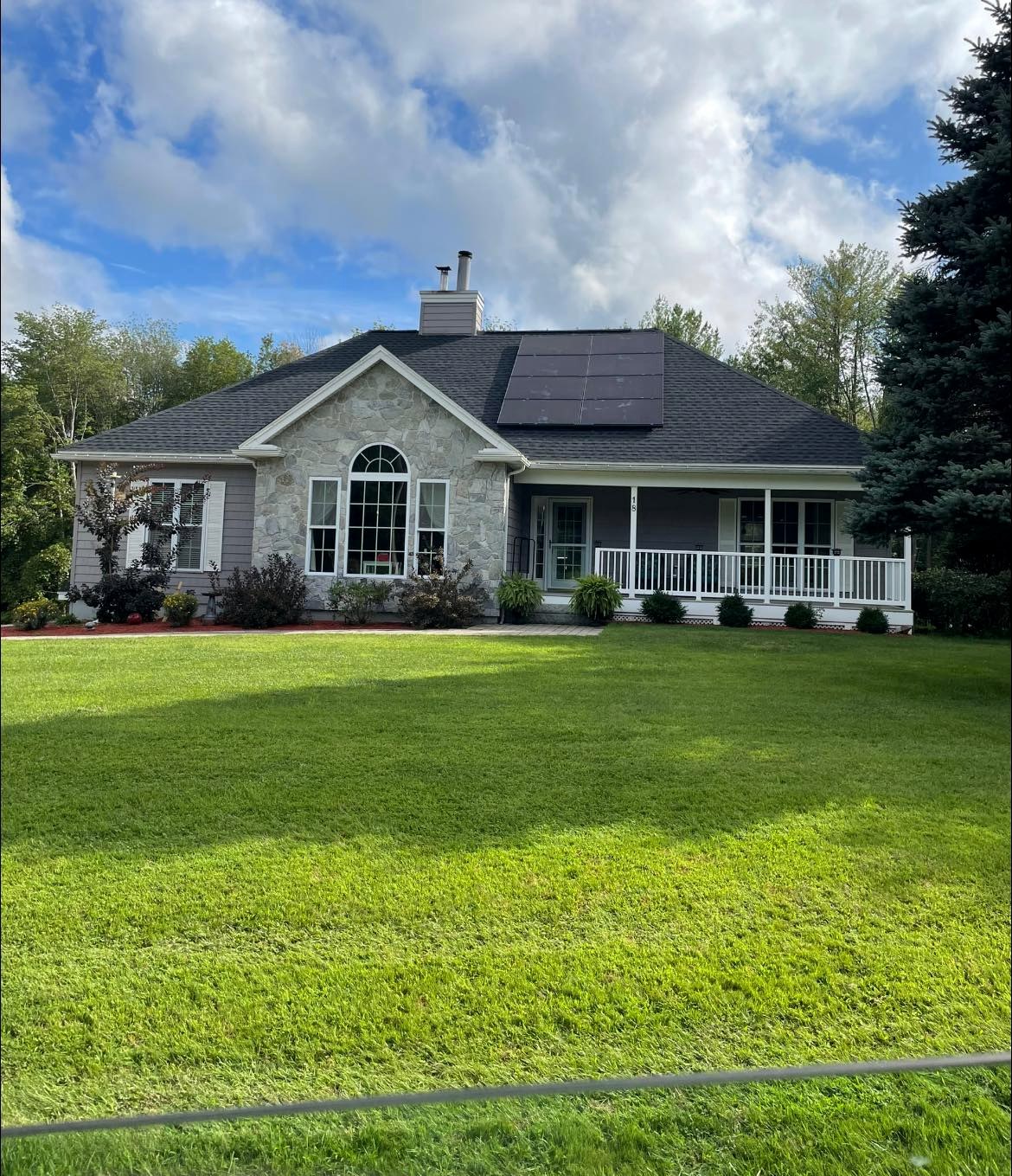
Many New Hampshire homes have larger lots, unique rooflines, tree coverage, or electrical needs that require a more custom review.
Solar can help homeowners reduce dependence on future utility rate changes by producing power on-site.
What New Hampshire Homeowners Should Review
Tree cover, roof age, snow load, electrical usage, backup priorities, and battery readiness all matter when planning a New Hampshire solar project.
Why Homeowners Are Switching
Homeowners want a clearer plan instead of reacting to future rate increases.
Battery storage can help keep essential loads running during outages.
Every roof, lot, and usage profile is different — especially in rural areas.
Solar can be paired with future upgrades like batteries, EV chargers, and heat pumps.
New Hampshire-Specific Planning
Rural reliability, tree cover, storm exposure, backup loads, and roof readiness should shape the plan.
Then the project sequence should be reviewed before solar is installed. A roof + solar readiness review can prevent avoidable removal and reinstall costs later.
No. Solar should be presented as a design and exposure-planning conversation, not a blanket promise. Usage, roof, utility structure, financing, and future needs all matter.
Battery storage depends on outage concerns, essential loads, budget, and whether the homeowner wants backup resilience beyond bill offset.
Next Step
Understand your roof, electric bill, usage profile, and long-term exposure before choosing equipment.
Request Review